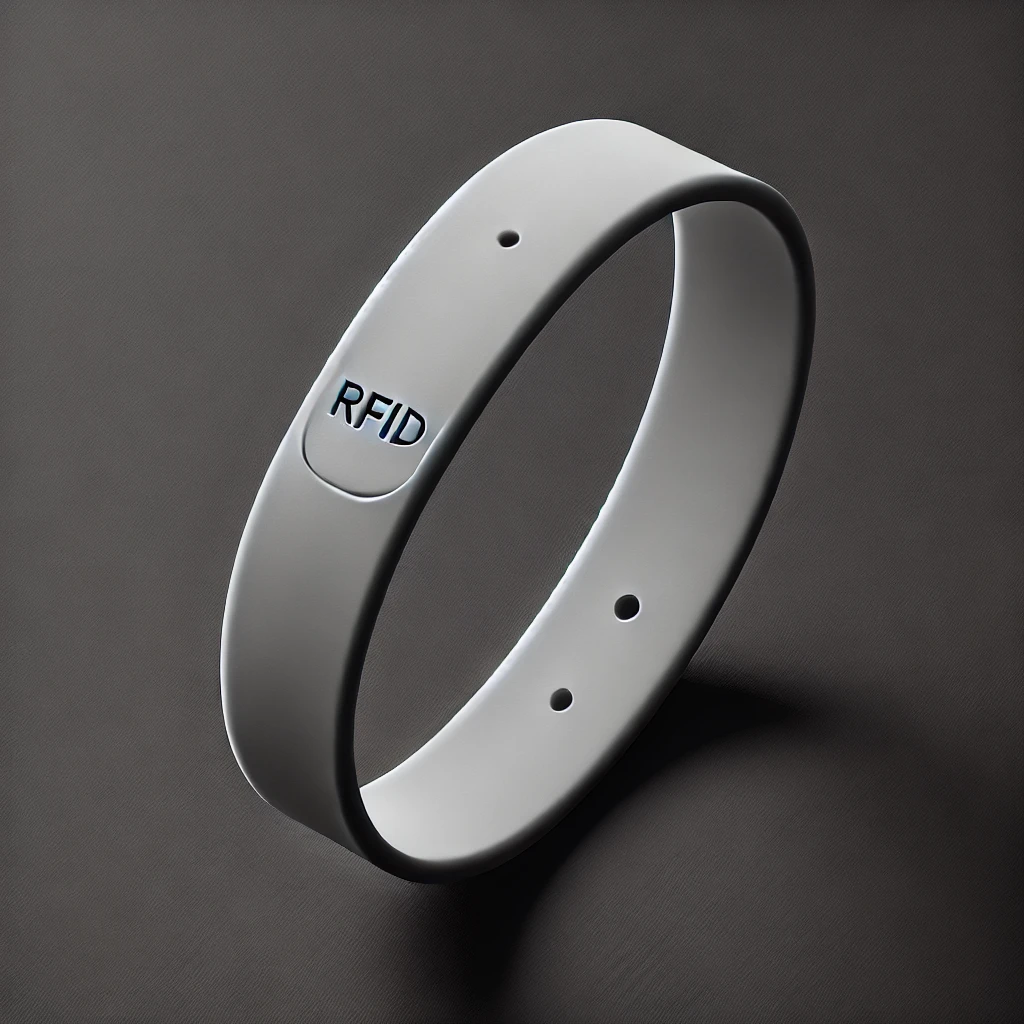


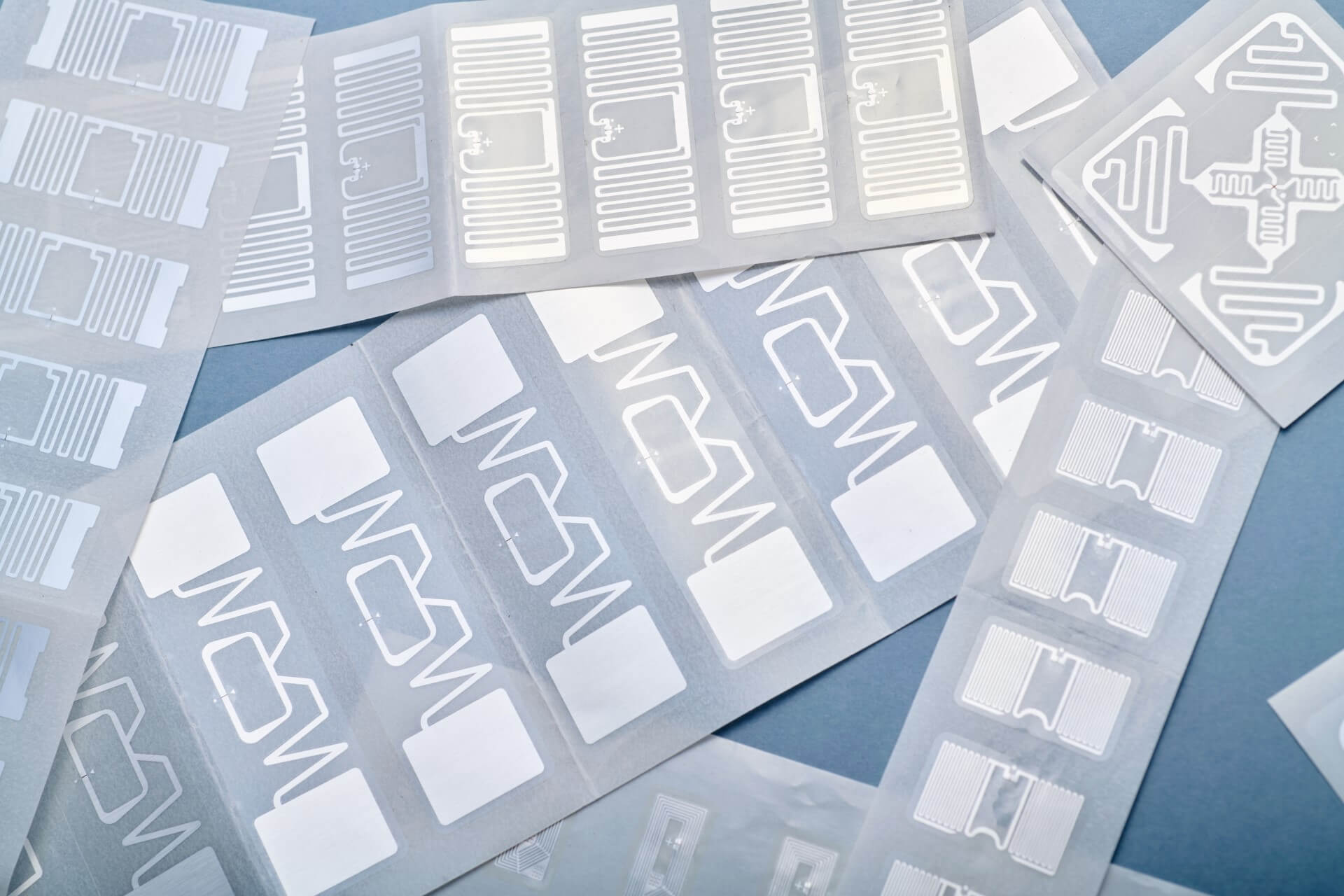
An RFID (Radio-Frequency Identification) system consists of three main components: RFID tags, readers/antennas and software. Tags attached to objects hold encoded information that is read by readers using radio waves emitted by antennas. The software collects and analyses this data, enabling real-time process control.
Choosing the wrong RFID tags often leads to read problems and reduces the efficiency of the entire system. Such difficulties can discourage further use of the technology, which is why the first step in any RFID deployment should be a needs analysis that identifies the specific requirements of the given working environment. When tags are properly selected and matched both to the characteristics of the items being tagged and to the prevailing conditions, the whole RFID infrastructure will run smoothly and as intended, eliminating errors and ensuring process continuity.
What to Consider When Choosing RFID Tags
The choice of RFID tags should be based on a thorough assessment of the characteristics of the objects to be tagged. Their size and material are crucial, as they determine both the type of tag and the way it is attached. It is also important to consider how the items are stored and transported, as this affects tag durability and system stability.
A key aspect is matching the tag’s resistance to environmental conditions, such as weather factors (moisture, extreme temperatures) or chemicals, as well as exposure to any kind of mechanical damage. Requirements for read range and read performance must also be taken into account, since, depending on the specific environment, reliable tag reading will call for different ranges.
It is also worth considering how the tags will be used and whether the tagged items will return to circulation. Reusable tags are advantageous in closed-loop systems, whereas single-use tags work well where items do not return to the system and unit costs are a major factor.
Another consideration is printing on RFID labels. You can opt to buy your own printer, which involves higher costs, the need to train staff to operate the equipment and the purchase of consumables. For smaller volumes, on the other hand, buying ready-made tags from the manufacturer, pre-encoded and printed, can be more economical, eliminating the need to invest in a printer and its servicing.
ISS RFID uses state-of-the-art thermal transfer and UV laser printing technologies, which shortens tag delivery times. Customised RFID labels can be prepared to individual requirements and delivered to the customer within a few days.
An Investment That Pays Off
The cost of deploying RFID may seem significant at first. However, it is worth remembering that it is an investment that delivers long-term benefits. Process optimisation, fewer errors, full control over production components, returnable packaging and equipment, as well as increased efficiency, are just some of the advantages an RFID system offers when the tags are properly selected. Proven, tested hardware and tags matched to the working environment are the key to successful RFID deployments.