

A life jacket, liferaft or fire extinguisher fitted with an RFID tag is equipment whose presence on board is confirmed with a single reader scan. We explain how RFID equipment records work on vessels, where they deliver the greatest value, and how to prepare a rollout across a fleet or marina.
Challenges in managing vessel equipment records
Every vessel carries mandatory equipment whose completeness is confirmed before a voyage, after a charter and during inspections. Manual checklists – compiled in cramped cabins, in damp conditions and on a rolling deck – take time and invite mistakes.
- checking that life-saving and mandatory equipment is complete,
- handing over the vessel between voyages and charters,
- inspections and equipment expiry dates,
- gear lost or removed from the vessel,
- moisture, salt, vibration and metal structural elements.
How RFID works on a yacht and in a marina
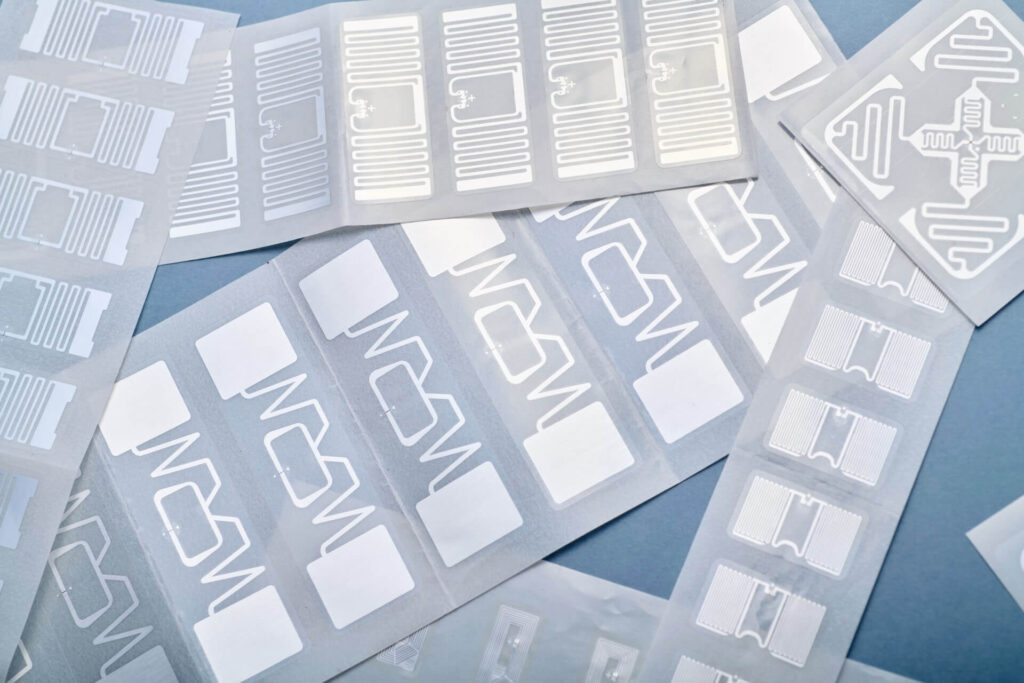
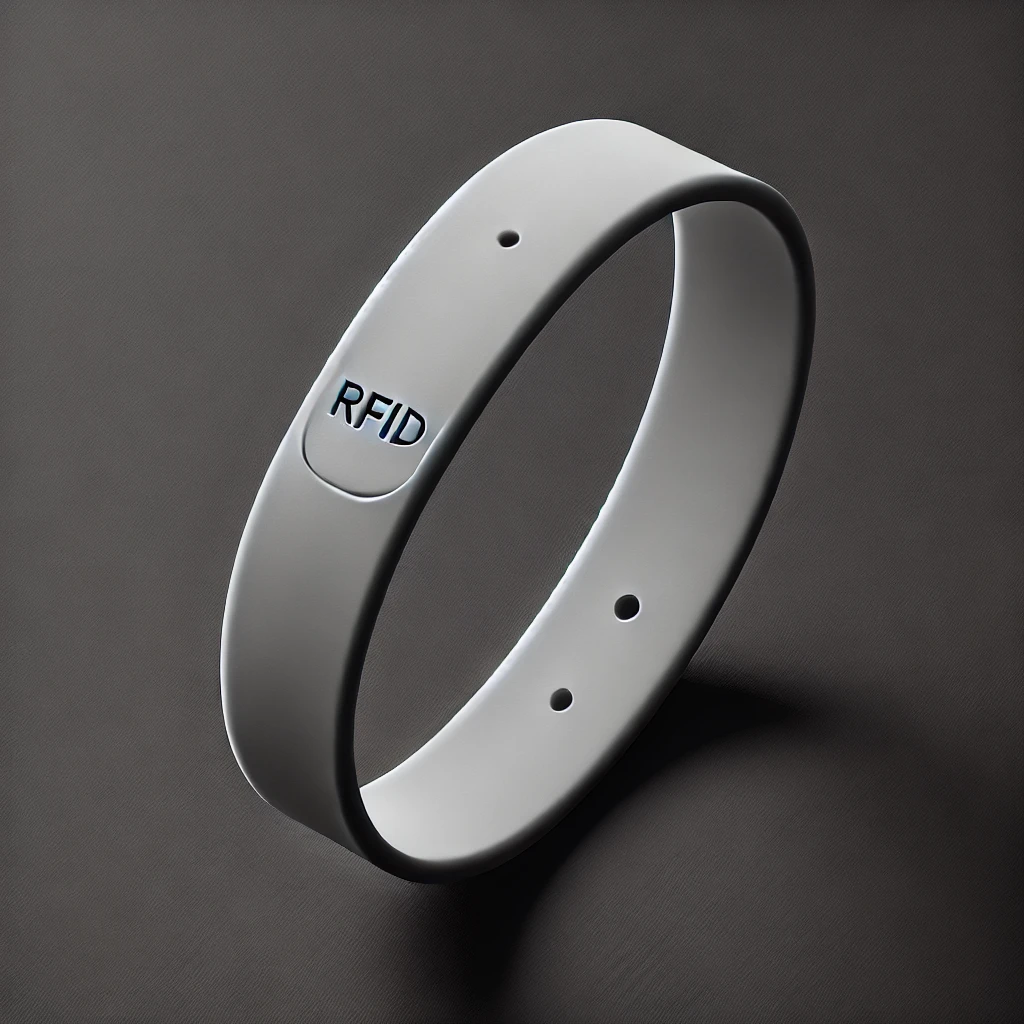
Each item of equipment receives an RFID tag matched to its material and mounting location. In the software, the unique identifier is linked to the item record: its name, assigned vessel, storage location and inspection date.
The reader captures every tag within range at once, so a single check covers an entire cabin or locker while the gear stays in place. A waterproof touchscreen scanner sends the result to the system in real time.
RFID applications in the maritime industry
Pre- and post-voyage equipment checks
The scanner reads tags in cabins, lockers and stowage spaces, and the system compares the result with the vessel’s assigned list, flagging any gaps instantly.
Charter fleets and vessel handover
A scan at check-in and check-out documents the state of the equipment at the moment of handover. The owner and the charterer share a single, unambiguous record, which simplifies settling the charter.
Life-saving and mandatory equipment
Combining RFID tags with mechanical seals makes it possible to confirm, within moments, that life-saving equipment is on board and its seals are intact.
Services operating on the water
Handheld or fixed readers on coast guard and other service vessels enable remote reading of life-saving equipment. Active technology opens the way to locating items lost overboard in a storm.
Marinas and equipment stores
Gear removed for winter storage or servicing enters the store with a full movement history, and scans at issue and return keep its circulation in order.
Theft protection
RFID records combined with seals reveal any missing item at the next scan.
Choosing tags for moisture, salt and metal
Moisture, salt, fluctuating temperatures and metal structural elements all affect read performance. The maritime industry therefore uses on-metal tags, tags in waterproof housings, and labels for fabrics and plastics. We pair mechanical security with tags, drawing on the seal-manufacturing expertise of our parent company, Silny & Salamon.
Benefits of RFID for owners, fleets and marinas
- Fast checks – an entire cabin’s equipment read in a single pass.
- Completeness control – the equipment list matched against the scan within moments.
- Smooth vessel handover – a documented condition at every charter.
- Equipment protection – seals and records reduce the risk of theft.
- Built for demanding conditions – waterproof scanners and tags designed for the marine environment.
How to prepare an RFID rollout on vessels
- List the equipment – prepare an inventory for each vessel, with storage locations and inspection dates.
- Identify the processes – decide what you want to speed up: inspections, charters, winter storage or equipment protection.
- Test the tags – check read performance on board, in lockers and stowage spaces, on metal and on fabrics.
- Prepare the team – plan training for the crew or marina staff and the data import into the system.
In practice: the INNOship research project and the ISS Yachts system
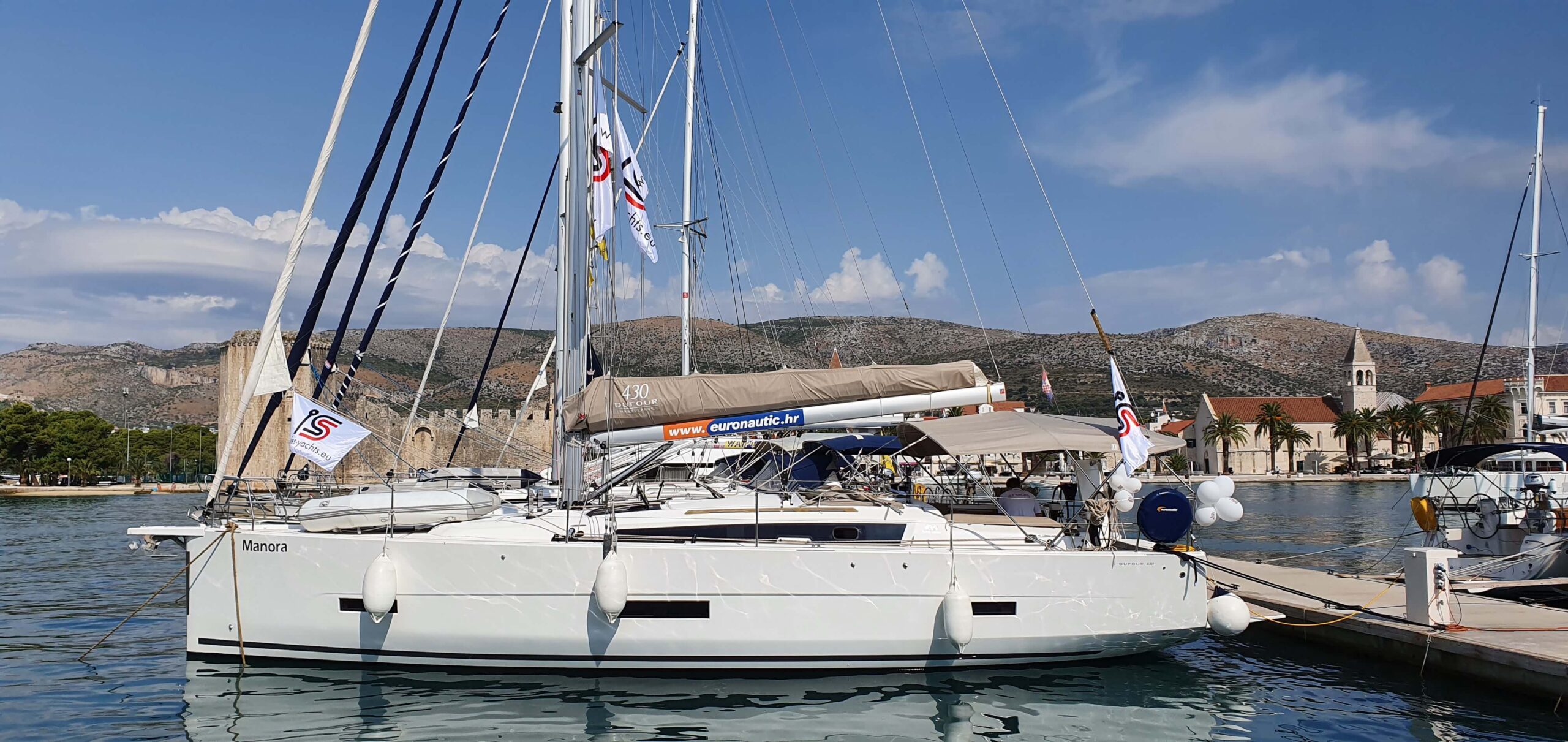
From 2018 to 2021, we carried out a project under the INNOship sector programme (Smart Growth Operational Programme 2014–2020, Measure 1.2), focused on reading RFID tags and mechanical security features in marine conditions. The project was worth PLN 2,947,339.00, with EU co-financing of PLN 2,289,442.25. Its results became the foundation of the ISS Yachts system.
→ Project details: EU Projects (POIR.01.02.00-00-0024/18-00)
FAQ: RFID in the maritime industry
Yes. Tags resistant to water, salt and vibration are selected for each mounting location, and on-board tests confirm their performance.
On-metal tags provide stable reads; the model and mounting location are determined during testing.
Yes. ISS Yachts scanners are waterproof, have a touchscreen and transmit data in real time.
Yes. Each vessel has its own equipment list, and the web application shows the status of the whole fleet in one place.