

RFID in Automation – How Does Radio Technology Support Automation?
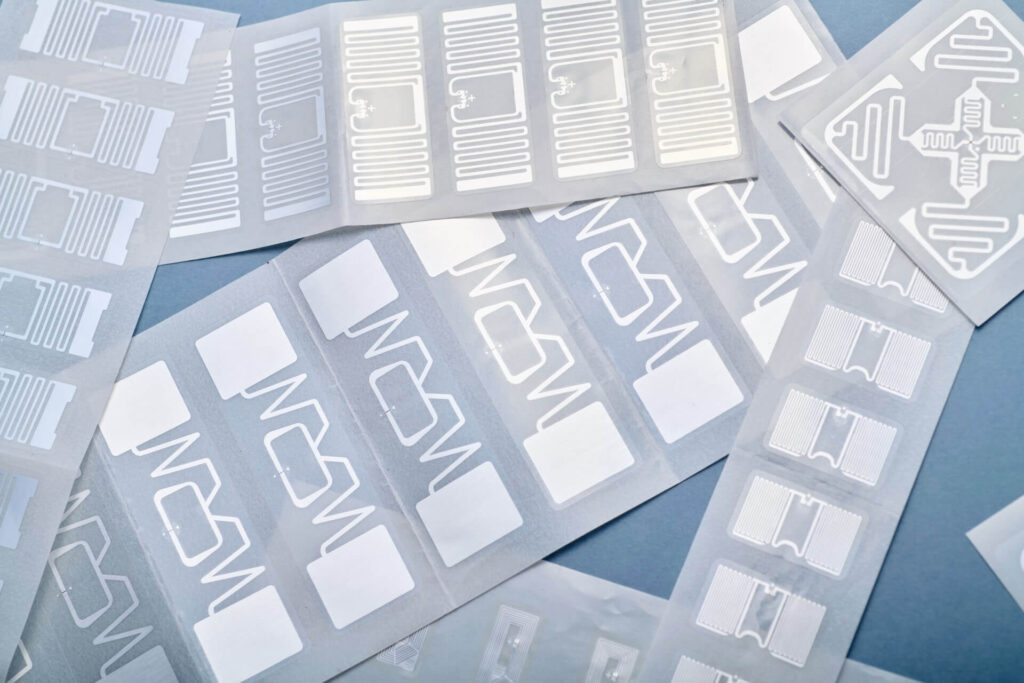
Automation using RFID (Radio-Frequency Identification) technology is a way of identifying and tracking objects by means of radio waves. In a nutshell, RFID enables wireless data transfer between a reader and an RFID tag attached to an object.
In industrial automation, RFID technology can be used to identify and track products or components used in manufacturing processes. In automotive parts warehouses, for example, RFID can help track which items have been received and dispatched, and ensure that no parts are missing. Another application of RFID technology in automation is access control. Here, an RFID tag embedded in a key fob or ID card grants access to specific areas or rooms. The main goal of using RFID technology in industrial automation and access control is to increase efficiency and safety in manufacturing processes and to protect specific areas against unauthorised access.
We invite you to read our article What is RFID technology, which covers the subject in more depth. It explains how RFID technology works, what an RFID tag contains and what it is made of.
We also encourage you to visit our LinkedIn page and to read our article on RFID in business, which offers plenty of further examples showing just how many applications RFID technology has.
How Does RFID Support Industrial Automation?
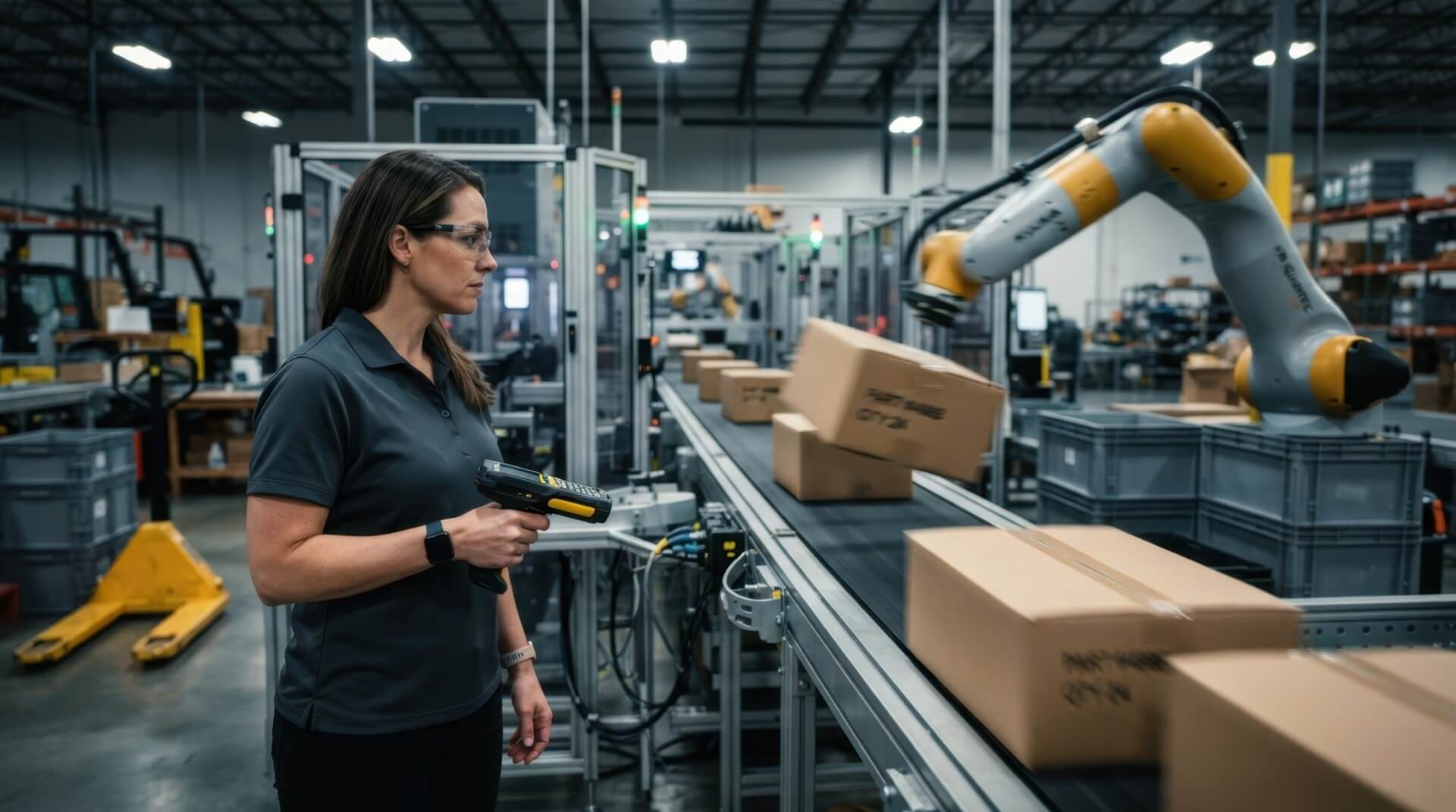
In industry, RFID is used in many areas, including warehouse management, logistics, manufacturing and quality control. In warehouses, RFID can be used to automate processes such as reading barcodes or labels, identifying goods, tracking stock levels and managing the product life cycle. As a result, these processes become more efficient and precise, which helps reduce costs and working time.
In logistics, RFID can be used to monitor shipments and control deliveries. RFID systems make it possible to read product data such as origin, serial number, production date and expiry date. This allows shipments to be tracked at every stage of the logistics process and any problems to be addressed quickly.
In manufacturing, RFID can be used to identify products and the machines involved in the production process. This enables rapid detection of errors, quality control and optimisation of production processes. In quality control, RFID can be used to identify products and collect data on their quality, making it possible to detect defective products quickly and identify the root causes of problems.
To sum up, RFID is highly valuable in industry thanks to its advantages: process automation, precision and speed of operation, and the ability to track products at every stage of the process.
How Does RFID in Automation Support Access Control?
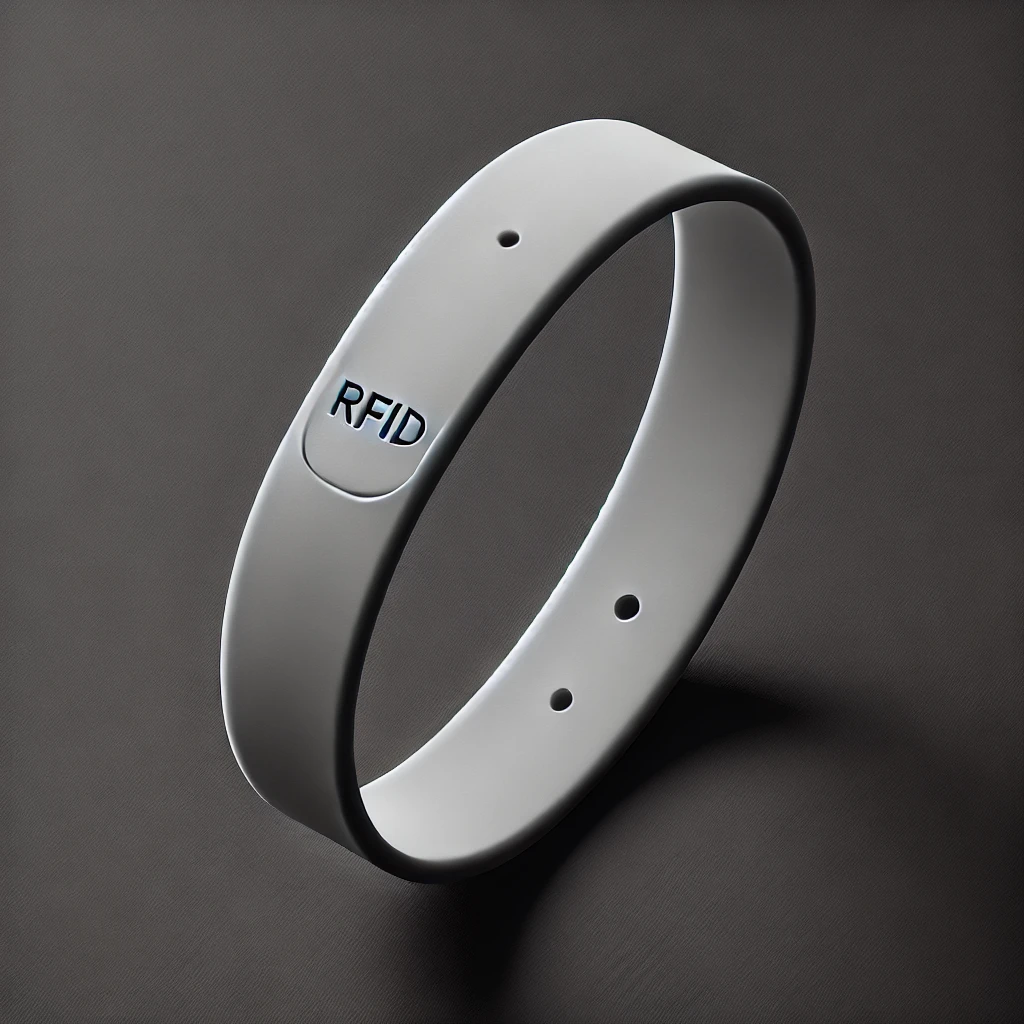
RFID access control is a system that uses RFID (Radio Frequency Identification) technology to manage access to rooms, buildings or equipment. Within an RFID access control system, each person receives an RFID credential that can be assigned to an individual user or a group of users. Each RFID credential contains a unique identification code that allows the person to be unambiguously recognised by the system. To enter a protected area, the user holds their RFID credential near an RFID reader, which reads the identification code and sends it to the access control system. The system checks whether the user is authorised to enter that area and then grants or denies access. An RFID access control system can also track users’ movements within a building or across company premises.
This makes it possible to monitor who entered a given area and when, which can help protect against theft or unauthorised access. RFID access control systems are used in various sectors, such as industry, retail and property security, as well as in employee time and attendance system
Summary: Applications of RFID in Automation
RFID (Radio Frequency Identification) technology can be effectively combined with automation in a variety of applications. Below are a few examples:
- Access control — RFID can be used to control access to rooms or equipment. To do this, RFID readers are installed at doors or devices and programmed to accept only the RFID cards or tags of authorised employees or users.
- Tracking and managing goods — RFID can be used to track and manage goods in warehouses or shops. RFID tags can be attached to products, allowing them to be automatically identified and tracked using RFID readers.
- Controlling production processes — RFID can be used to automate production processes. RFID tags can be attached to raw materials or products, allowing them to be automatically identified and tracked at various stages of production. Based on this data, production processes can be controlled automatically.
- Vehicle fleet tracking — RFID can be used to track vehicle fleets in transport or logistics companies. RFID tags can be attached to vehicles, allowing them to be automatically identified and tracked using RFID readers. Based on this data, transport processes can be controlled automatically.
All these examples show how RFID technology can be effectively combined with automation across a range of applications. It is essential to design the RFID and automation system to suit the specific application, so that it operates reliably and effectively.