

RFID in Healthcare
FID (Radio Frequency Identification) technology is used in healthcare for a wide range of purposes, such as:
- elctronic patient tracking
- Inventory managemen
- Securing and controlling access to rooms
- Securing and controlling access to medical equipment
- Locating medical equipment
- Tracking the pharmaceutical supply chain
Using RFID in healthcare brings a number of benefits, including greater efficiency, cost savings and improved patient safety.
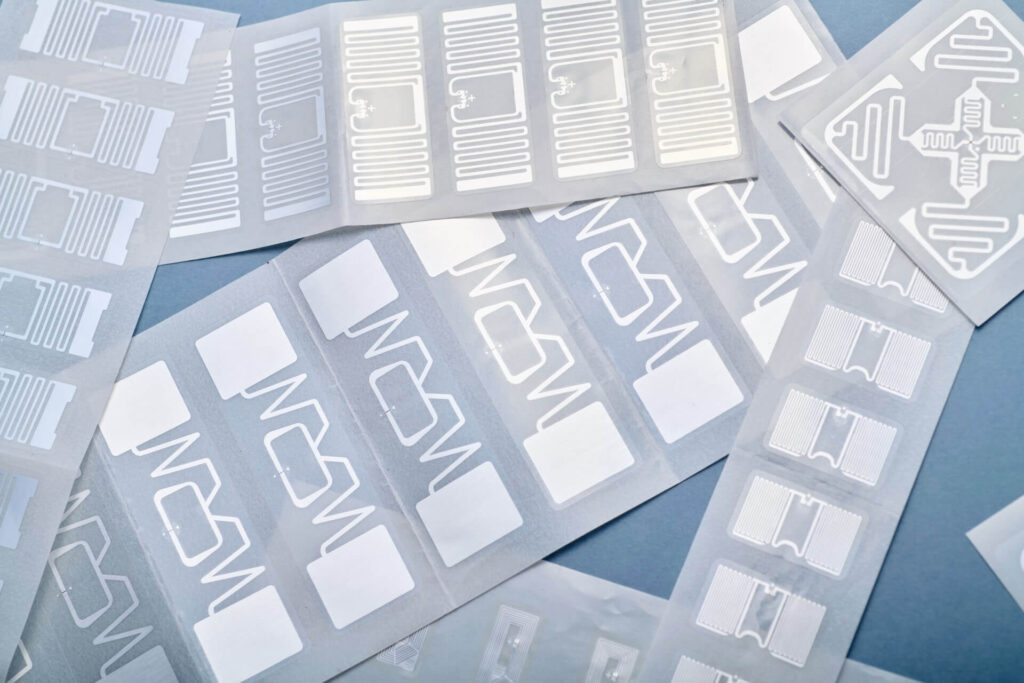
We invite you to read our article What is RFID technology, which covers the subject in more depth. It explains how RFID technology works, what an RFID tag contains and what it is made of.
We also encourage you to visit our LinkedIn page and to read our article on RFID in business, which offers plenty of further examples showing just how many applications RFID technology has.

Electronic Patient Tracking with RFID
RFID tags can be used to track patients in hospitals and other healthcare facilities, ensuring they receive the right care at the right time. During a long hospital stay, patients often move around the building or even leave it without a doctor’s consent. Keeping track of patients and ensuring their safety does not have to be difficult. At the start of a hospital stay, every patient receives a patient card and an ID. And if there is an ID anyway, why not put an RFID tag inside it? This allows staff to check on a patient at any moment, in real time.
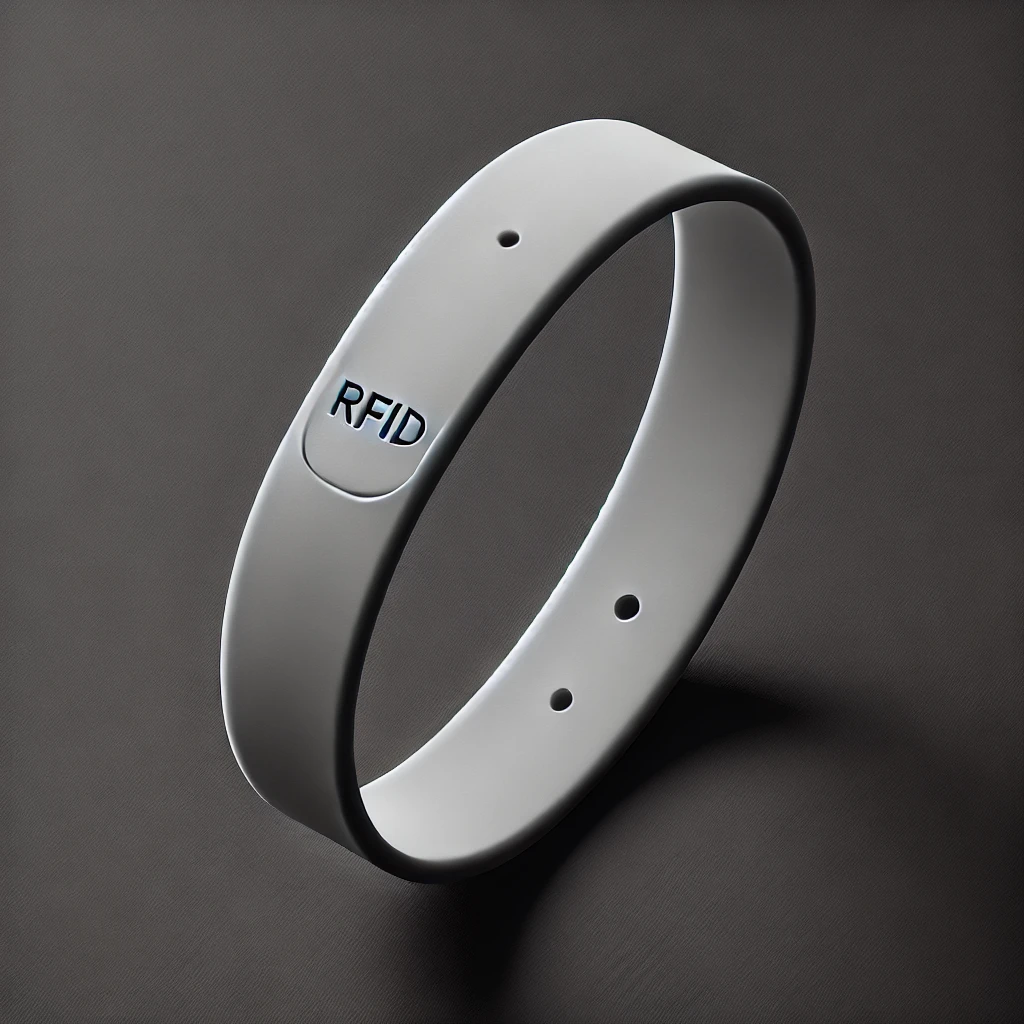
Traditionally, information on which medications a patient needs to take and whether they have been administered is recorded on a patient chart, often attached to the patient’s bed. RFID labels in the form of flexible wristbands can be fastened to the patient’s wrist, enabling staff to locate patients quickly and easily, monitor their movements and keep track of the medications they have received.
Inventory Management
RFID technology can be used to track medical supplies, medications and other items in healthcare facilities. This helps reduce surplus stock of medications that expire over time and ensures the right supplies are available when needed. It often happens, especially in large facilities such as hospitals, that there is too much of one item and too little of another. When something is urgently needed, staff may have to wait for a delivery, for example from another hospital. Radio frequency technology can prevent this: applied to stock control, it helps eliminate both overstock and shortages of medications.
Securing and Controlling Access to Rooms and Medical Equipment
Another important aspect is protecting rooms and medical equipment from people who should not be there or use them. This applies to operating theatres, offices and laboratories, as well as to all kinds of medical equipment. RFID technology helps restrict access to sensitive areas to authorised staff only. An RFID system can also record the access history of a given room, making it possible to trace who used it and for how long.
Locating Medical Equipment
RFID tags can also be used to track equipment and other assets in healthcare facilities. Equipment in such facilities is expensive, and it is sometimes hard to keep every device under control. Items may also go missing because they have been damaged or lost. RFID helps prevent loss or theft and ensures equipment is available when needed.
Medication Tracking
RFID technology can be used to track medications throughout the entire supply chain, from manufacturing to dispensing. This helps ensure that medications are properly stored, transported and administered, reducing the risk of errors and shortages.
Advantages of Using RFID in Healthcare
- Improved patient safety: RFID technology can help prevent medical errors, such as giving a patient the wrong medication, by accurately tracking patient and medication information.
- Increased efficiency: RFID technology can streamline healthcare operations by automating inventory management, reducing the need to manually track and count supplies and equipment.
- Asset tracking: RFID technology can help healthcare organisations track medical equipment such as wheelchairs, monitors and infusion pumps, reducing the likelihood of items being lost or misplaced.
- Better information: RFID technology can provide more accurate and up-to-date information on patients and inventory, improving decision-making and patient care.
Disadvantages of Using RFID in Healthcare
- Cost: Implementing RFID technology can be expensive, especially for smaller healthcare organisations. The cost of RFID hardware, software and infrastructure can be a barrier to adoption
- Privacy: RFID technology raises privacy concerns, particularly regarding the tracking of patients and their personal data. Healthcare organisations must ensure they have adequate security measures in place to protect patient data.
- Technical issues: RFID technology can be prone to technical problems, such as interference from other electronic devices or radio frequencies, which may affect the accuracy and reliability of the system.
- Staff resistance: Some healthcare workers may be reluctant to use RFID technology, especially if it involves changes to the way they work or to their processes. Training and support may be required to ensure successful adoption.